

Booths, Badges and Brand Moments: The Ultimate Trade Show Playbook
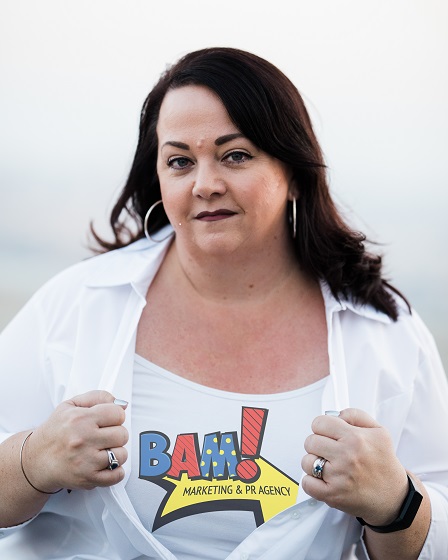

by Brandy Alvarado-Miranda, CEO
Featured in Commercial Integrator Magazine 1/21/26 I recently had a mentoring session with a marketing intern who’ll be attending her first trade show. This one just happened to be NAMM, but it spurred the idea of for this column in hopes that it will provide some insight and make tradeshows more productive, and less daunting.
Your first major trade show can feel like stepping into an alternate universe, I know it did for me. Endless booths, shoulder-to-shoulder crowds, and more acronyms than anyone should encounter before 10 a.m. It’s exhilarating, chaotic, and full of opportunity. But whether you’re attending from marketing, sales, product, engineering, customer success, operations, or even finance, the rules of the game are remarkably similar.
Trade shows are not just marketing events. They are company-wide stages where every team member becomes a representative of the brand. If you're preparing for your first one, consider this your survival guide, a blend of practical advice, real-world etiquette, and strategic thinking from people who have lived many lives on the show floor, and have the blisters to prove it! Here's a bit from my personal Trade Show Playbook, drop me a line if you'd like me to add anything to this playbook.
Before the Show: Preparation Is Everything
Know the Brand Story - No Matter Your Role
Regardless of your department, you are about to become the face of your company. That means you should confidently articulate what your organization does, who it serves, what sets it apart, and the solutions you want to highlight. A crisp 15–20 second elevator pitch should feel natural, not memorized. You’re not expected to sound like a salesperson, but you are expected to sound informed.
Attendees may ask you questions from many angles, technical, strategic, operational, experiential, and having a grounded understanding of the brand story ensures you can respond with clarity.
Study the Booth Like It's Your Second Home
The booth might look simple when it’s all built up, but behind the scenes it’s a carefully orchestrated machine. Get familiar with the layout, demo stations, seating areas, storage spaces, chargers, swag cabinets, and where the lead scanners live. Understand who handles which types of conversations, technical questions, product demos, sales discussions, partnership inquiries.
Even if you’re not the one giving demos, you should know how they work at a high level. And always keep a quick booth map saved in your phone. Most show apps are helpful and provide not only maps, but schedules and more. When the show floor is buzzing, this tiny bit of preparation becomes priceless.
Pre-Book Meetings (If Your Role Calls for It)
Whether you're meeting with clients, partners, suppliers, media, industry peers, or job candidates, pre-book as much as you can. Include your booth number in every outreach. And remember: walking time at trade shows never follows real-world logic. Give yourself buffer space between commitments.
Pack Like a Pro
Every seasoned exhibitor swears by the same essentials:
-Comfortable but polished shoes.
-Backup business cards.
-Portable charger.
-Reusable water bottle.
-Light snacks.
-Mints, hand sanitizer, deodorant, chapstick.
-A notebook and pen.
Every department benefits from being prepared. The more self-sufficient you are, the more confident you’ll feel.
On the Show Floor: Presence Over Perfection
Be Approachable - You Represent the Brand
No matter your job title, attendees will assume you can help them. That’s the nature of trade shows. Avoid leaning on tables, scrolling on your phone, or disappearing behind signage. Project friendliness. Make eye contact. Smile. Whether you’re an engineer, project manager, HR leader, or VP of operations, your presence impacts how people perceive the company.
Use a Warm, Human Welcome
The simplest opener is often the best. Try: “What brings you out to the show this year?” or “Seen anything interesting today?” These questions work for every role because they’re not pushy—they’re inviting. Your job is to open the door, not bulldoze through it.
Don’t Jump Into Explanations Too Fast
Engineers sometimes over-explain. Salespeople sometimes pitch too fast. Marketing sometimes tries to gather too much information at once. Product teams sometimes pull attendees into feature lists.
The best move is usually the same across every job function: pause, ask questions, and listen first. The more you understand the attendee, the more relevant your response will be.
Qualify Conversations Softly
If you’re talking to a potential customer, partner, or collaborator, ask questions like: “What challenge are you hoping to solve?”
“Are you planning any new initiatives this year?”
“Have you explored similar solutions before?”
This approach keeps the interaction helpful and natural—without turning it into a hard pitch.
Capture Leads Immediately
It doesn’t matter what department you’re from: leads are everyone’s responsibility. Whether you’re talking to a potential customer, a partner, a vendor, or a media contact, capture information right away. Quick notes beat forgotten conversations. And something I’m a stickler for – Quality over Quantity! Junk leads into your CRM are junk leads out.
Maintain Booth Appearance
Everyone plays a part in booth upkeep. Straighten materials, wipe counters, tuck away cords, and reset demos as needed. A clean booth communicates a well-run company.
Content, Collaboration, and Cross-Team Awareness
Capture Live Moments
You don’t need to be on the marketing team to help document:
-Photos of the booth.
-Team moments.
-Demos in action.
-Attendee interactions (with permission).
-Partner visits.-Crowds.
Both horizontal and vertical formats matter. Teams across the company will use these assets long after the show. It also helps to document what works/doesn’t work for post-show analysis.
Share Updates and Tag Partners
Every department benefits from visibility. Posting on LinkedIn, sharing photos with your team, or tagging partners helps expand your booth’s reach, especially during peak show hours.
Be Aware of Competitors - Without Being Awkward
You don’t need to go undercover. Casual observation will do. Take note of what’s drawing crowds, what messaging stands out, and which features or demos resonate. All teams benefit from understanding the landscape; product, sales, marketing, engineering, leadership.
Gather Feedback to Bring Home
Attendees will say a lot—about your solutions, industry challenges, pricing perceptions, feature requests, competitive comparisons. Capture anything notable. These insights often inform product roadmaps, sales strategies, marketing messaging, and partnership opportunities. I try to capture this info nightly, if not, you may forget to document.
Navigating the Show: Pace Your Mind and Body
Don’t Try to See Everything
Even seasoned veterans can’t cover every booth or session. Choose three to five booths to study, one or two education sessions to attend, and one social event per day. Beyond that, you risk burnout.
Protect Your Voice and Energy
You’ll talk more than you expect, no matter your department. Drink lots of water. Take short breaks. Avoid shouting. Give your voice a breather when you can.
Practice True Trade Show Etiquette
Regardless of department:
-Be kind to other exhibitors.
-Step aside for personal calls.
-Don’t crowd another booth.
-Don’t gossip about competitors.
-Don’t complain loudly about being tired.
This is a fast-paced ecosystem where everyone is stretched thin. A little grace goes a very long way.
After the Show: Close Out Strong
Submit Leads Quickly
Speed matters. Fast follow-up leads to better conversion. Don’t sit on leads. Hand them off to the team that needs them.
Organize Your Notes
Sort key takeaways into buckets: hot leads, warm leads, partnerships, media contacts, product feedback, pain points, demo requests, competitive insights. Clear categorization helps every department take action.
Prepare a Thoughtful Recap
Whether you’re junior or senior, a solid recap makes you look like a leader. Include:
-Traffic impressions.
-Lead volume.
-Content captured.
-Competitive observations.
-Common attendee questions.
-What worked.-What didn’t.
-Suggestions for improvement.
Your insights help shape next year’s strategy.
What Not to Do
-Don’t hide behind the booth table scrolling your phone.
-Don’t eat in the booth.
-Don’t badmouth competitors or customers.
-Don’t complain about your feet or the crowd.
-Don’t make up answers. Ask someone who knows.
Every department shares responsibility for the company’s reputation.
With the right mindset, you won’t just survive your first trade show, you’ll walk away smarter, more connected, and ready for the next one with the confidence of a seasoned pro.

Comments